 Barley has been gaining attention again as people shift toward whole-food diets and natural ingredients. One of the most common questions among health-conscious readers today is how it compares with oats, a grain that has been heavily promoted for heart health and morning nutrition. While both grains offer strong nutritional value, they differ in fiber structure, digestion support, energy release, and traditional uses.
This detailed comparison explores each grain’s strengths, how they function in the body, and which one may suit different health goals.
Nutritional Differences Between Barley and Oats
Both grains provide vitamins, minerals, and plant-based compounds, but there are key differences worth noting.
Fiber Composition
Oats are rich in soluble fiber and known for their effect on cholesterol.
Brly, on the other hand, contains a balance of soluble and insoluble fiber. This combination supports digestion, regularity, and smoother intestinal flow. The larger variety of fiber types is one reason some nutrition experts prefer barley for long-term digestive wellness.
Micronutrient Profile
Oats contain manganese, copper, and B-vitamins.
Barle carries selenium, magnesium, phosphorus, and antioxidants that support immune function and metabolic balance.
Caloric Structure
Both grains are moderate in calories. The difference lies in rate of digestion. Oats are digested more quickly, while barley breaks down more slowly, which may help provide longer-lasting energy.
Digestion and Gut Support
Digestive health is one of the biggest deciding factors in the barley-vs-oats comparison.
Brley’s fiber structure supports the growth of beneficial gut bacteria and helps maintain consistent movement through the digestive tract. This makes it useful for individuals dealing with irregular bowel patterns, bloating, or low fiber intake.
Oats support digestion as well, but their effect is milder. They are often used for soothing the stomach or creating soft, easy-to-digest meals. If digestive strength is a priority, barley may provide a more complete benefit.
Blood Sugar Response and Metabolic Stability
Oats are widely known for supporting cholesterol levels, but they can raise blood sugar faster due to their quicker breakdown.
Barley digests more slowly, causing glucose to enter the bloodstream at a steadier pace. This slower absorption is linked to improved energy stability throughout the day and reduced cravings.
People who need consistent blood sugar control often find that barley fits better into their daily meals.
Weight Balance and Hunger Control
One of the main lifestyle benefits of barley is its ability to extend satiety. The grain takes longer to break down, which helps reduce snacking and keeps energy steady between meals.
Oats are filling as well but tend to digest more quickly. Those who want help managing appetite across the day may prefer including barley in meals such as soups, warm bowls, or grain salads.
Barley Grass as a Modern Wellness Option
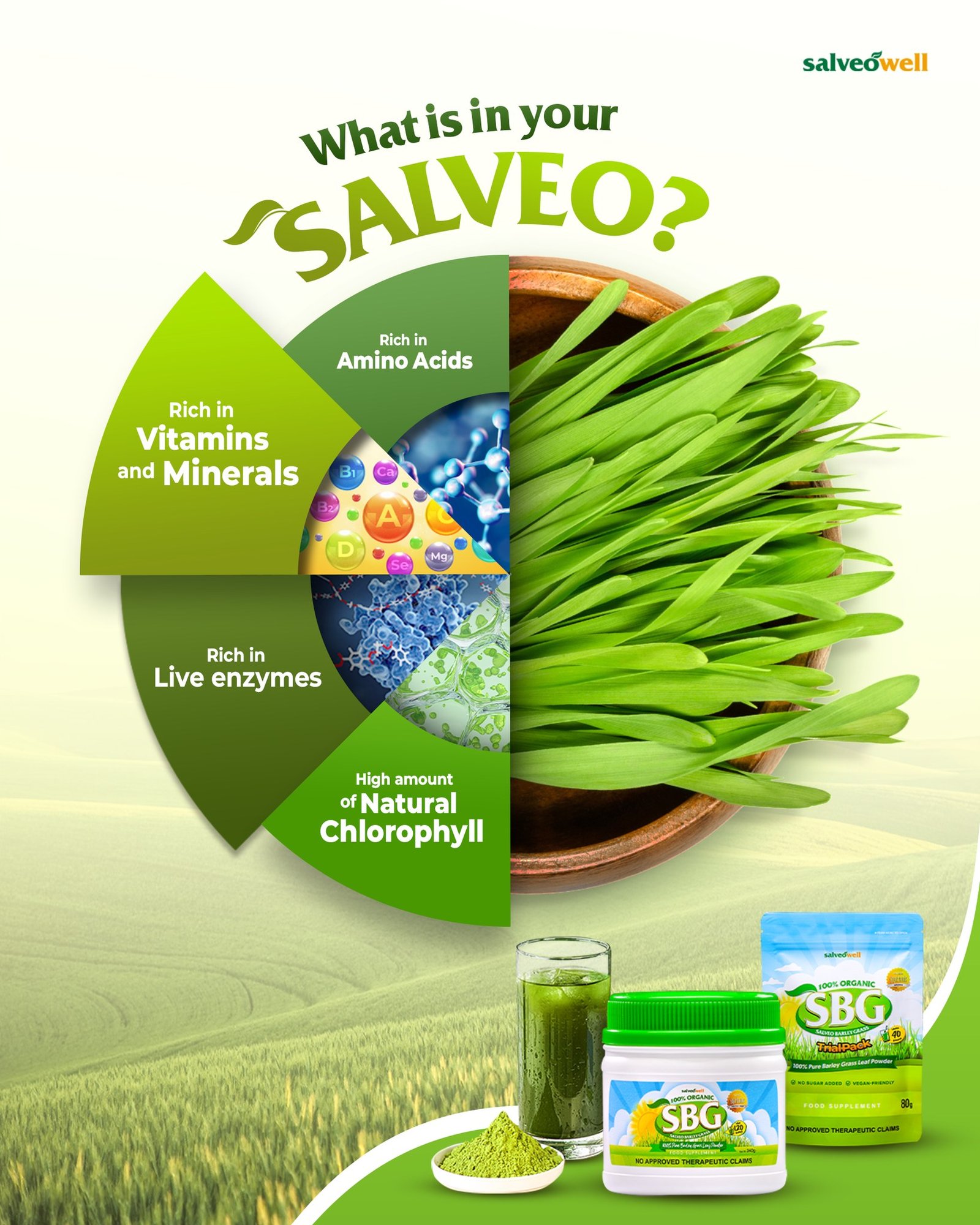
Beyond the grain itself, the grass has become popular in health drinks, powdered supplements, and smoothies. It contains chlorophyll, vitamins, minerals, and antioxidants that may help support immunity and natural cleansing processes.
This modern form of grain complements—but does not replace—the nutritional benefits of the grain.
Everyday Uses and Easy Meal Ideas
Integrating either grain into everyday meals does not require special recipes.
Ways to enjoy barley:
Cook as a rice replacement
Add to vegetable soups
Mix into salad bowls
Use in warm porridge meals
Blend barley-grass powder into drinks
Ways to enjoy oats:
Traditional oatmeal
Smoothies
Baked goods
Breakfast bars
Overnight oat bowls
Both grains are adaptable, affordable, and easy to include in daily nutrition habits.
Which Grain Should You Choose?
Choosing between barley and oats depends on health goals.
Choose barley if you want:
Balanced digestion
Longer-lasting fullness
Steadier energy
Broader mineral support
Choose oats if you want:
Quick breakfast options
A grain that digests easily
Strong heart-health support
A familiar, versatile ingredient
Many people use both grains at different times, depending on what their body needs.
Additional Helpful Resource
For more detailed nutrient comparison charts, you may check:
https://www.medicalnewstoday.com/articles/benefits-of-whole-grains
H2: Internal Link Suggestion
For readers interested in learning more about digestive-supporting foods, link to a relevant article on your website such as:
“How Whole Grains Support Modern Wellness”
Final Thoughts
Both of them are strong choices for anyone trying to improve their diet through whole grains. Each offers unique benefits, but barley stands out for helping with digestion, blood sugar steadiness, mineral intake, and long-lasting energy.
If you want to expand your understanding of barley and their wellness benefits, you can also explore more information here: