The Barley Very Beginning – 10,000 Years Ago in the Fertile Crescent
Long before anyone had heard of Barley green powders or detox drinks, early farmers in the Middle East were already growing barley. It was tough, drought-resistant, and 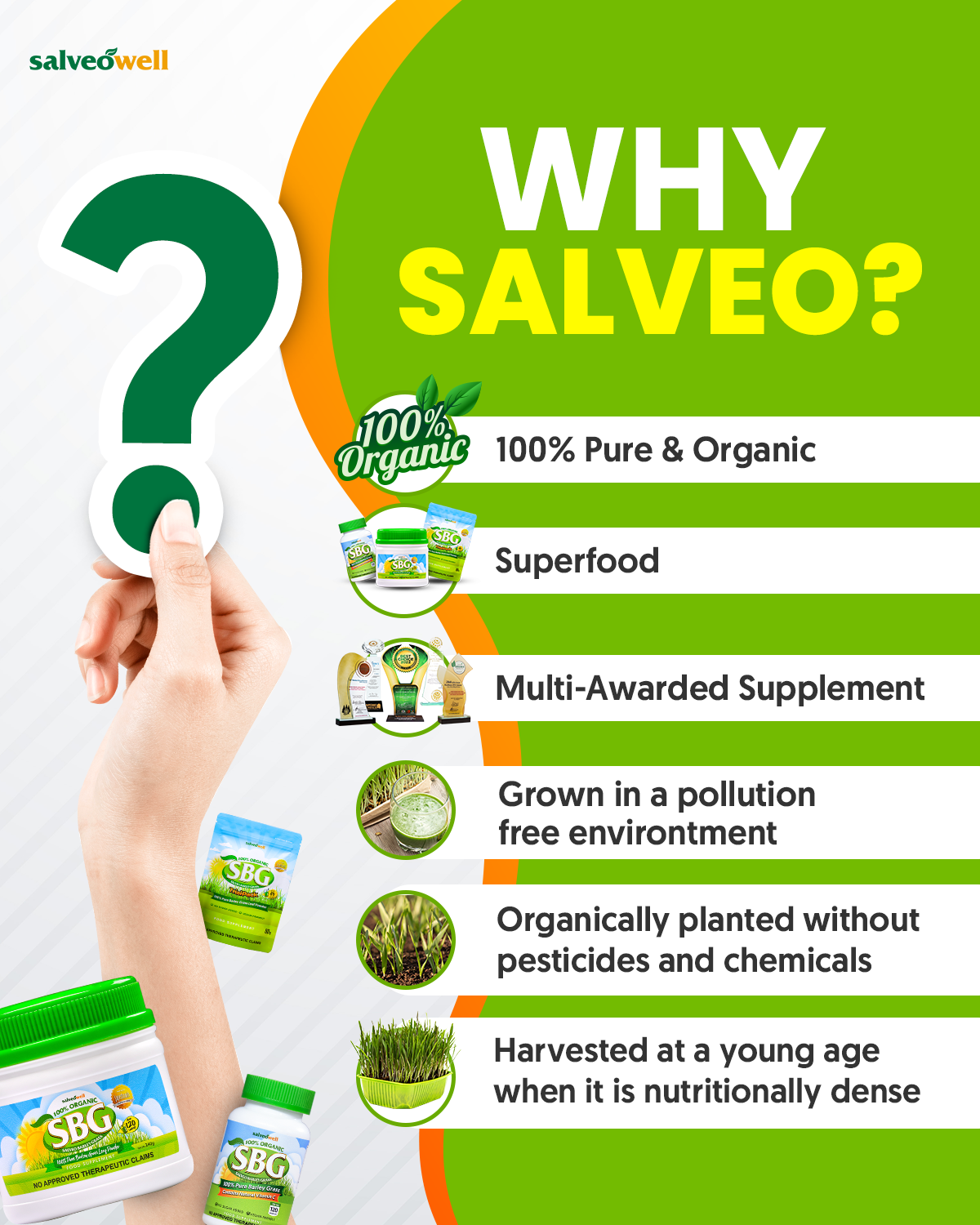 produced reliable grain. By 8000 BCE it had become one of the foundational crops of civilization, used for bread, beer, and animal feed across Mesopotamia, Egypt, and beyond.
Ancient Healers Discovered Something Special in the Barley Leaves
While most people focused on the seeds, traditional doctors noticed the young green shoots held unique power. Egyptian medical papyri from 2000 BCE mention squeezing juice from tender leaves as a tonic for strength and purification. Roman gladiators earned the nickname “barley men” not just from eating the grain, but from drinking fermented green juice to speed recovery after battles.
Traditional Chinese Medicine Joins the Story
As early as 2700 BCE, the Yellow Emperor’s classic texts described young barley leaves as a cooling, cleansing herb that “restored balance and removed internal heat.” For thousands of years, this knowledge quietly passed down through generations in Asia and the Middle East.
The Long Sleep – From the Fall of Rome to the 20th Century
After the Roman Empire collapsed, the medicinal use of the green leaves largely faded in the West. Barley became mainly animal fodder or brewing grain in Europe. The ancient wisdom survived only in scattered herbal traditions.
1930s Japan – A Personal Crisis Sparks a Revolution
Everything changed because one man got sick. Japanese pharmacist Dr. Yoshihide Hagiwara suffered severe mercury poisoning from working with pharmaceutical chemicals. Disillusioned with synthetic medicine, he spent years testing over 200 leafy greens to find the most nutritious plant on Earth.
His conclusion? Young barley leaves, harvested just before the plant forms a stalk, contained the perfect balance of vitamins, minerals, enzymes, and antioxidants. In 1967 he launched the world’s first commercial dried green powder, proving the leaves could be preserved without losing their potency.
1970s–1980s – The Wellness Wave Hits America
Dr. Ann Wigmore brought fresh-grown shoots to the United States and served the juice at her famous Hippocrates Health Institute in Boston. Meanwhile, Japanese dehydrated powders started appearing in California health-food stores. The modern green superfood category was born.
Science Starts to Catch Up (1990s–2000s)
Researchers began publishing studies that confirmed what ancient healers had observed for millennia:
- Extremely high levels of the antioxidant enzyme SOD
- More plant-based iron than spinach and more vitamin C than oranges (by fresh weight)
- Natural chlorophyll for gentle cleansing
- Live enzymes that support digestion
These discoveries turned a traditional remedy into a science-backed favorite.
The Unexpected Boom in the Philippines (2010s–Today)
While the West treated green powders as a niche product, something remarkable happened in Southeast Asia. Starting around 2013–2014, several brands introduced 100% pure, certified-organic versions grown in the pristine fields of Australia and New Zealand.
Word spread like wildfire through families, churches, offices, and social media. Drugstore chains dedicated entire shelves to the bright green jars. The Philippines is now widely regarded as consuming more young barley grass per person than any other country on the planet.
Why This Ancient Plant Still Matters in 2025
In an era filled with lab-made vitamins and trendy extracts, barley stands out for three simple reasons:
- It’s a complete whole food, not an isolated compound
- It has been safely used by humans for over ten thousand years
- When grown organically and harvested at the right moment, it delivers nutrition in its most natural, bioavailable form
No marketing hype required—just results that speak for themselves.
Looking Ahead – A Sustainable Superfood for the Future
The grass grows quickly, needs little water, and thrives in diverse climates. As demand for clean, traceable, plant-based nutrition rises worldwide, this resilient grass is perfectly positioned to feed the next generation of health-conscious people.
From the first farmers who planted its seeds beside the Tigris and Euphrates rivers to millions stirring emerald powder into their morning water today, barley has completed one of the most extraordinary transformations in food history.
What started as basic survival food has quietly become one of the most trusted daily rituals for natural vitality. Sometimes the oldest answers really are the best ones. 🌱
Previous Article : Barley Grass: How Ancient Barley Became the King of Modern Natural Supplements
Visit Our Homepage
Shop 20%-40% Discounted Packages
Visit Salveo Official Website